

Cybersecurity Audit Checklist: Secure Your Business Assets
Cybersecurity audits feel like a mountain for many South African businesses. You might expect endless technical jargon and complicated steps. Yet the real secret is that the process starts with something simple: knowing exactly what you have. Most companies overlook up to 25 percent of their connected assets during an initial audit, leaving gaping holes in their defenses. That changes everything about how you approach your security.
Table of Contents
- Step 1: Identify Key Assets And Data Requirements
- Step 2: Evaluate Current Cybersecurity Measures
- Step 3: Conduct Vulnerability Assessment Of Systems
- Step 4: Implement Recommended Security Controls
- Step 5: Test And Verify Cybersecurity Defenses
- Step 6: Document And Review Audit Findings
Quick Summary
| Key Point | Explanation |
|---|---|
| 1. Conduct thorough asset identification | Start by creating a detailed inventory of digital and physical assets to understand potential vulnerability points in your organisation. |
| 2. Evaluate existing cybersecurity measures | Systematically review current security policies and controls to identify weaknesses and ensure alignment with best practices. |
| 3. Perform a comprehensive vulnerability assessment | Use specialized tools and engage technical teams to uncover and prioritize system vulnerabilities based on risk. |
| 4. Implement prioritized security controls | Focus on addressing critical vulnerabilities first, applying relevant security measures to strengthen your defences. |
| 5. Test and verify cybersecurity effectiveness | Conduct penetration tests and phishing simulations to validate the resilience of your security controls and employee readiness. |
Step 1: Identify Key Assets and Data Requirements
A comprehensive cybersecurity audit begins with meticulous asset identification, forming the foundation of your entire security strategy. Understanding precisely what technology and data resources your organisation possesses transforms abstract security concepts into targeted protection mechanisms.
Starting your cybersecurity audit requires creating a thorough inventory of digital and physical assets that represent potential vulnerability points. This process involves systematically mapping every technological resource within your business ecosystem, from network infrastructure and hardware devices to software applications and cloud storage platforms. You’ll want to catalogue servers, workstations, mobile devices, networking equipment, databases, and critical software systems.
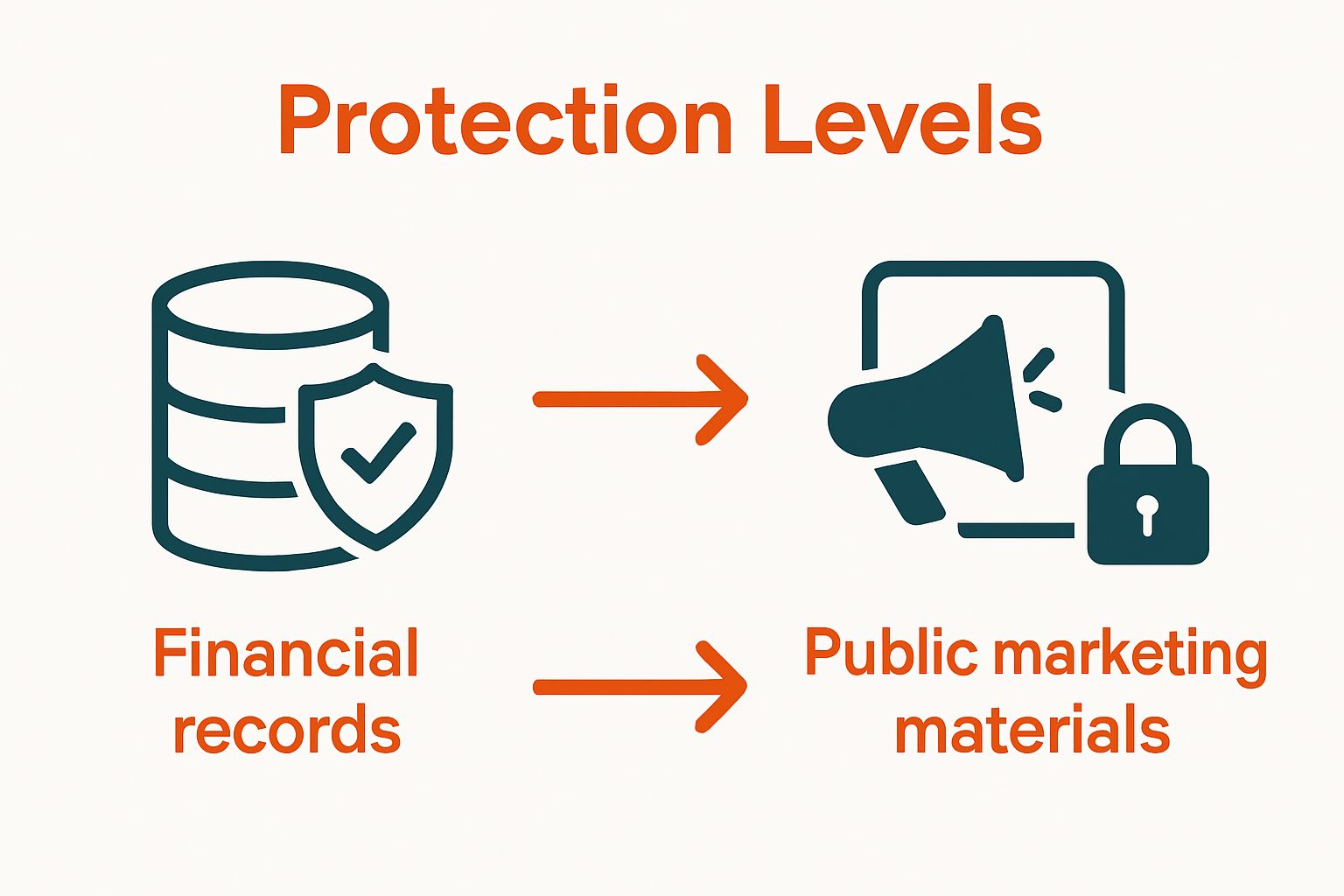
Data classification represents another crucial component of this initial audit phase. Not all information holds equal strategic importance, so categorising data according to sensitivity levels helps prioritise protection efforts. Confidential financial records require different safeguarding approaches compared to public marketing materials.
 Work closely with department heads to understand the nature and criticality of data flowing through various organisational channels.
While documenting assets, pay special attention to interconnected systems and potential entry points for cybersecurity threats. Cloud services, remote access tools, third-party vendor connections, and employee-owned devices can introduce unexpected vulnerabilities. Your inventory should capture comprehensive connection details, including IP addresses, system configurations, and access permission structures.
Verification becomes critical at this stage. Cross-reference your manual asset inventory against network scanning tools to confirm accuracy. Learn more about IT asset management strategies that can streamline this complex process. A successful asset identification step ultimately provides a clear, actionable blueprint for subsequent cybersecurity audit stages, ensuring no critical resource remains unprotected.
Step 2: Evaluate Current Cybersecurity Measures
Evaluating your organisation’s existing cybersecurity infrastructure represents a critical diagnostic phase in the audit process. This step transforms abstract security concepts into concrete, actionable insights by systematically examining your current protective mechanisms and identifying potential vulnerabilities.
Comprehensive security assessment requires a multifaceted approach that goes beyond surface-level inspections. Begin by conducting a thorough review of your existing security policies, network configurations, access control mechanisms, and incident response protocols. Examine each technological layer critically, understanding how different systems interact and potential weak points that could compromise your overall security posture.
Technical evaluation involves using advanced scanning and assessment tools to probe your network’s defences. Penetration testing and vulnerability assessments provide empirical data about potential entry points for cyber threats. Professional security scanning software can simulate potential attack scenarios, revealing hidden weaknesses in your firewall configurations, software patch levels, and network segmentation strategies.
Administrative controls demand equally meticulous scrutiny. Review user access permissions, authentication protocols, and employee security training programs. Identify discrepancies between documented security policies and actual implementation practices. Pay special attention to how credentials are managed, password complexity requirements, and multi-factor authentication deployment across different organisational systems.
Explore our comprehensive guide to cybersecurity best practices to supplement your evaluation process. According to research from the National Institute of Standards and Technology, systematic security measure evaluation helps organisations proactively identify and mitigate potential risks before they escalate.
Successful completion of this step means generating a detailed report documenting discovered vulnerabilities, potential improvement areas, and recommended remediation strategies. This foundational assessment will directly inform subsequent cybersecurity audit stages, ensuring a targeted and effective approach to protecting your organisation’s digital assets.
This table summarises each stage of the recommended cybersecurity audit process with its main objective and expected outcome for quick reference during your audit planning.
| Audit Stage | Main Objective | Expected Outcome |
|---|---|---|
| Asset Identification | Catalogue all digital and physical assets | Complete, accurate asset inventory |
| Evaluate Security Measures | Review existing policies and technical controls | Detailed vulnerability and improvement report |
| Vulnerability Assessment | Identify all system weaknesses | Risk-prioritised vulnerability list |
| Implement Controls | Apply recommended security measures | Enhanced, tested controls in place |
| Test Defences | Validate real-world security strength | Tested, measurable defence effectiveness |
| Document Findings | Report and communicate audit results | Actionable audit report and roadmap |
Step 3: Conduct Vulnerability Assessment of Systems
Vulnerability assessment represents a critical diagnostic procedure that transforms potential security risks from invisible threats into manageable, actionable challenges. This systematic examination uncovers hidden weaknesses across your technological infrastructure, providing a comprehensive understanding of potential entry points for cybersecurity breaches.
Initiating a robust vulnerability assessment requires deploying specialized scanning tools that systematically probe your network’s defences. Professional vulnerability management platforms enable comprehensive analysis of all connected systems, identifying outdated software, misconfigurations, and potential security gaps. These tools generate detailed reports highlighting critical vulnerabilities, providing precise information about potential risks and their potential impact on your organisational security.
The assessment process demands a holistic approach that extends beyond automated scanning. Engage with technical teams to understand the contextual significance of discovered vulnerabilities. Some detected issues might represent minor configuration challenges, while others could indicate significant security risks requiring immediate intervention. Prioritise vulnerabilities based on their potential exploit probability and potential business impact, creating a strategic remediation roadmap.
Understand the nuanced details of IT risk assessment to complement your vulnerability evaluation strategy. According to guidance from the Cybersecurity and Infrastructure Security Agency, maintaining an updated inventory of known exploitable vulnerabilities is crucial for proactive security management.
Successful vulnerability assessment involves creating a comprehensive documentation package that includes discovered vulnerabilities, their potential consequences, recommended mitigation strategies, and estimated implementation timelines. Effective documentation transforms technical findings into strategic security improvement plans, ensuring your organisation can systematically address potential technological weak points.
Verification of this step involves confirming that all identified vulnerabilities have been thoroughly documented, categorised by risk level, and include clear remediation recommendations.
Here is a checklist table to help ensure each phase of your cybersecurity audit is properly documented and verified before moving on to the next step.
| Audit Step | Key Verification Criteria | Documentation Notes |
|---|---|---|
| Asset Identification | All assets inventoried and cross-referenced with network scans | Include IPs, configurations, and access permissions |
| Evaluate Security Measures | Security policies and controls reviewed; discrepancies documented | List weaknesses and recommended improvements |
| Vulnerability Assessment | All vulnerabilities documented, prioritised by risk | Attach mitigation timelines and responsible parties |
| Implement Controls | Critical controls implemented and changes tested | Provide evidence of implementation and staff training |
| Test Defences | Penetration tests and phishing simulations conducted; results recorded | Monitor response times and employee readiness |
| Document Findings | Final report includes actionable recommendations and remediation plans | Review by key organisational stakeholders |
Step 4: Implement Recommended Security Controls
Implementing recommended security controls transforms theoretical vulnerability insights into practical protective mechanisms. This critical stage translates the diagnostic findings from previous audit steps into tangible security enhancements that fortify your organisation’s technological defences.
Strategic security control implementation requires a methodical and prioritised approach. Begin by ranking discovered vulnerabilities according to their potential business impact and exploit probability. Focus initial efforts on critical security gaps that represent immediate risks to your organisational infrastructure. This might involve updating software patches, reconfiguring network access permissions, or implementing more robust authentication protocols.
Network segmentation emerges as a fundamental strategy during this implementation phase. By creating distinct security zones within your technological ecosystem, you can limit potential breach impacts and prevent unauthorized lateral movement. Carefully design access controls that align with principle of least privilege, ensuring employees only access systems and data essential to their specific job functions. Granular permission management significantly reduces potential attack surfaces and minimises internal security risks.
Discover comprehensive network security strategies to complement your control implementation efforts. According to guidance from the Center for Internet Security, adopting a systematic approach to security control implementation helps address root causes of potential cyber threats.
Technical implementation should be accompanied by comprehensive staff training. Security controls are only effective when employees understand their purpose and actively participate in maintaining organisational cybersecurity. Develop clear documentation explaining new security protocols, conduct hands-on training sessions, and create easily accessible reference materials that demystify complex technical requirements.
Verification of successful security control implementation involves conducting post-implementation testing. This includes running penetration tests, reviewing access logs, and monitoring system performance to confirm that new controls function as intended. A successful implementation results in a more resilient, adaptable security infrastructure that proactively defends against emerging technological threats.
Step 5: Test and Verify Cybersecurity Defenses
Testing and verifying cybersecurity defenses represents the critical validation stage where theoretical security implementations are transformed into demonstrable protective capabilities. This step goes beyond passive assessment, actively challenging your organisation’s security infrastructure to reveal hidden vulnerabilities and confirm the effectiveness of implemented controls.
Comprehensive defense verification requires a multifaceted testing approach that simulates real-world cyber attack scenarios. Penetration testing emerges as a primary methodology, where skilled cybersecurity professionals attempt to exploit potential weaknesses across your technological ecosystem. These controlled attack simulations provide empirical evidence about the resilience of your security mechanisms, revealing potential entry points that might have been overlooked during previous audit stages.
Simulated phishing campaigns represent another crucial testing technique. By creating realistic fraudulent email scenarios, you can assess employee susceptibility to social engineering tactics. These exercises not only test technical defenses but also evaluate human vulnerability, providing insights into areas requiring additional security awareness training. Employee response patterns become valuable metrics for understanding organisational cybersecurity readiness.
Explore advanced cybersecurity improvement strategies to complement your testing approach. According to guidance from the National Institute of Standards and Technology, systematic defense testing is essential for identifying and mitigating potential security risks.
Technical verification extends beyond simulated attacks. Comprehensive logging and monitoring systems should capture and analyze all testing activities, creating detailed audit trails that document system responses. Pay close attention to response times, detection mechanisms, and the effectiveness of automated security protocols during these controlled scenarios.
Successful defense verification results in a detailed report outlining discovered vulnerabilities, system response effectiveness, and recommended refinements. This documentation serves as a crucial roadmap for continuous security improvement, transforming your cybersecurity strategy from a static defense to a dynamic, adaptive protective framework.
Step 6: Document and Review Audit Findings
Documenting and reviewing cybersecurity audit findings transforms raw data and technical observations into a strategic blueprint for organizational security improvement. This crucial phase synthesizes the comprehensive insights gathered throughout the entire audit process, creating a structured narrative that guides future security initiatives.
Comprehensive documentation demands meticulous attention to detail, capturing not just discovered vulnerabilities but also the contextual nuances of each finding. Your audit report should provide a clear, structured overview of identified security risks, categorized by severity and potential business impact. Prioritize clarity and actionability, ensuring that technical details are presented in a manner comprehensible to both technical and non-technical stakeholders.
The review process requires a collaborative approach, involving key stakeholders from different organizational departments. Security teams, IT management, and executive leadership should collectively analyze the audit findings, discussing potential remediation strategies and long-term security enhancement approaches. This collaborative review transforms technical observations into strategic security investments, aligning cybersecurity efforts with broader business objectives.
Learn more about comprehensive IT security documentation strategies to enhance your audit reporting process. According to guidelines from the International Organization for Standardization, systematic documentation supports accountability and continuous improvement of information security management systems.
Each documented finding should include specific, actionable recommendations. This means moving beyond problem identification to provide clear implementation roadmaps, estimated resource requirements, potential cost implications, and projected timelines for addressing each discovered vulnerability. The goal is to create a living document that serves as both a diagnostic tool and a strategic planning resource.
Successful audit documentation verification involves confirming that the report meets several key criteria. These include comprehensive coverage of all audit stages, clear prioritization of risks, detailed remediation recommendations, and a forward-looking perspective that anticipates potential future security challenges. The final document should serve as a valuable reference point for ongoing cybersecurity strategy development and continuous organizational security enhancement.

Protect Your Business Assets with Expert Cybersecurity Support
You already know from our Cybersecurity Audit Checklist that missing assets, unclear data flows, or untested controls can expose your organisation to real threats. If you feel overwhelmed by vulnerability assessments, asset identification, or implementing robust security controls, you are not alone. Many professional firms lack the time and resources to keep pace with ever-changing cyber risks. This can lead to increased downtime, data breaches or even damaged client trust. Our team understands these challenges and provides expert support in translating technical findings into lasting business protection.
Do not leave your cybersecurity gaps unaddressed. Take the next step by partnering with a trusted managed IT provider that specialises in proactive risk reduction, asset management and enterprise-grade security. Visit Techtron Managed IT Services to access tailored solutions that streamline your audit findings into actionable results. Discover how our cybersecurity support and IT risk assessment services keep your business resilient and compliant. Secure your assets today before the next cyber threat catches you off guard.
Frequently Asked Questions
What are the key steps in a cybersecurity audit checklist?
A cybersecurity audit checklist typically includes identifying assets, evaluating current security measures, conducting vulnerability assessments, implementing recommended security controls, testing defenses, and documenting findings. Begin by creating a thorough inventory of all digital and physical assets within your organisation.
How can I assess the cybersecurity measures currently in place?
To assess your current cybersecurity measures, review security policies, network configurations, and access control mechanisms. Conduct a detailed evaluation that includes both technical assessments and administrative controls to identify gaps.
What tools should I use for conducting a vulnerability assessment?
Utilize professional scanning tools that can probe your network for vulnerabilities and provide comprehensive reports. Deploy these tools systematically across your connected systems to identify issues such as outdated software or misconfigurations within 30–60 days.
How do I prioritize vulnerabilities after assessment?
Prioritize vulnerabilities based on their potential impact on your business and likelihood of exploitation. Focus first on critical vulnerabilities that require immediate attention to enhance your overall cybersecurity posture.
What are effective ways to implement security controls?
Implement security controls by first addressing high-priority vulnerabilities and applying updates, reconfigurations, or stronger authentication methods. Ensure that all changes align with best practices of user access management and involve adequate staff training on new protocols.
How should I document the findings from my cybersecurity audit?
Document your findings in a structured report that categorises vulnerabilities by severity and potential impact. Include specific recommendations and timelines for remediation to guide future security improvements.